

Radio Brisvaani
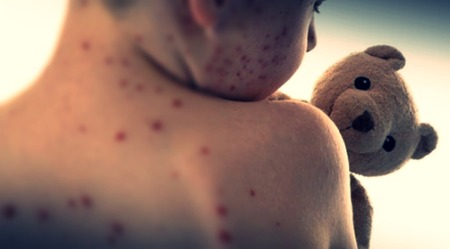
Sydney, March 12 (IANS) A recent surge in measles cases in the Australian state of New South Wales (NSW) has predominantly been driven by infections acquired in Southeast Asia, health authorities said on Thursday.
The NSW Department of Health said in a report that authorities were notified of 60 confirmed measles cases in the state between January 1, 2025, and March 7, 2026.
Of those cases, 34 contracted measles overseas, including 32 people who traveled to countries in Southeast Asia.
Another 18 of the cases reported in NSW were linked to a person known to have acquired measles overseas, with the remaining eight cases having no known source of infection.
According to the latest data from the National Notifiable Disease Surveillance System maintained by the Australian Center for Disease Control, there had been 25 confirmed cases of measles in NSW in 2026 as of Thursday, compared to 37 cases reported for all of 2025 and 18 in 2024.
The neighboring state of Victoria has reported 21 measles cases in 2026 compared to 36 in 2025 and 17 in 2024.
Vicky Sheppeard, executive director of Health Protection NSW, said on Thursday that the report should serve as a timely reminder for why vaccination is so important.
Australia’s measles vaccination rate for two-year-olds is at 91.2 per cent, according to federal government data, below the 92-94 per cent national coverage target to achieve herd immunity, Xinhua news agency reported.
Measles is one of the world’s most contagious diseases, spread by contact with infected nasal or throat secretions (coughing or sneezing) or breathing the air that was breathed by someone with measles. The virus remains active and contagious in the air or on infected surfaces for up to two hours. For this reason, it is very infectious. One person infected by measles can generate up to 18 secondary infections.
Being vaccinated is the best way to prevent getting sick with measles or spreading it to other people. The vaccine is safe and helps your body fight off the virus.
–IANS
jk/